








ITCH is a 70-person award-winning London-based, global creative content agency that, due to continuous growth, found themselves with a series of disconnected tools that were no longer fit for their purpose: Monday.com for project management, Harvest for time tracking, and Google Sheets for financial reporting. As the business continued to grow, so did the gaps between these systems. Project data wasn’t linked to time, time wasn’t linked to quotes, and leaders couldn’t trust what they were looking at. Decisions were slow and information had to be manually collated before anyone could act on it.
After transitioning to Scoro, ITCH consolidated its tech stack into a single platform and, for the first time, has a live, reliable source of truth that the whole team – including the founder – depends on to run the business.
| Overview | Description |
|---|---|
| Company | ITCH |
| Industry | Creative content agency |
| Size | 70 employees |
| Location | London, UK |
| What they use Scoro for | Project management, resource planning, time tracking, invoicing, financial reporting |
| Impact (numbers) | Resource planning now covers ~50% more people in the same time |
| Impact (what changed) | Single source of truth replacing three tools; faster access to project and financial data; improved team buy-in and accountability; the team moved off legacy Google Sheets reporting |
How ITCH transformed with Scoro
Before Scoro, ITCH was running its daily operations across three separate platforms:
- Monday.com for project and task management
- Harvest for time tracking
- Google Sheets for sales and financial reporting
This meant data lived in silos. Time entries weren’t connected to quotes or projects in a meaningful way, and any actionable performance reporting required someone to manually pull information together from across the stack. In practice, leaders had to spend hours collating updates.
In 2025, ITCH decided to transition to Scoro to bring its operations into a single, interconnected platform.
Here’s a snapshot of what they were able to achieve:
| Before | After | |
|---|---|---|
| Project Management | Project status lived in Monday.com, disconnected from time and finance. Keeping things up to date had no consequence, so data couldn’t be trusted. | Scoro’s interconnected workflow means updates have a knock-on effect – teams keep data current because they know the whole pipeline depends on it. |
Resource Management | Resourcing was unreliable. Teams couldn’t trust whether the data was accurate, and one person was managing the workload planning manually. | One person now manages the workload of ~50% more people in the same time. Scoro’s Planner is trusted because it’s tied to real task and project data. |
| Time Tracking | Time was tracked in Harvest, but not automatically linked to quotes or project lines – making the data hard to use for profitability or performance analysis. | Time is logged against specific tasks and projects in a single timesheet view, giving leadership granular visibility into where effort is actually going. |
| Invoicing | Invoicing readiness was communicated manually, via messages and conversations. The process relied on someone knowing when a project was ready to bill. | Project status now signals invoicing readiness automatically. Teams can act independently without chasing updates, reducing friction and back-and-forth. |
| Reporting | The team tracked incoming sales in a Google Sheet that had been in use for 13 years. Reports were built manually and were often out of date by the time they were ready. | Scoro dashboards replaced the legacy spreadsheet. Sales and project performance data is live, trusted, and accessible in real time. |
Tech Stack & Processes
Before: Three tools, no single source of truth
ITCH’s previous setup split operations across Monday.com, Harvest, and Google Sheets – each serving a purpose, but none of them speaking to the others. Time tracked in Harvest wasn’t connected to quotes in Xero. Project progress in Monday.com didn’t feed into invoicing or financial reporting. Reporting required someone to manually stitch together data from multiple sources. By the time reports were ready, they were often already stale.
After: One interconnected platform
Scoro replaced Monday.com and Harvest entirely and significantly reduced ITCH’s reliance on Google Sheets. Everything from project setup and task management to time tracking, invoicing, and reporting now lives in one place. Data entered at one stage flows automatically into the next — meaning the information leadership relies on is always current and always consistent.
Before, we had to go away and spend a few hours collating reports and updates. Now, we just join the meeting and ask: how are we doing? It just speeds everything up. You’re saving a lot more time.

Project Management
Before: No consequence for poor data hygiene
In Monday.com, keeping project statuses up to date was optional in practice. Because the platform wasn’t connected to invoicing or financial reporting, there was no knock-on effect if someone let a status lapse or skipped an update. As a result, the data couldn’t be fully trusted.
After: Accountability built into the workflow
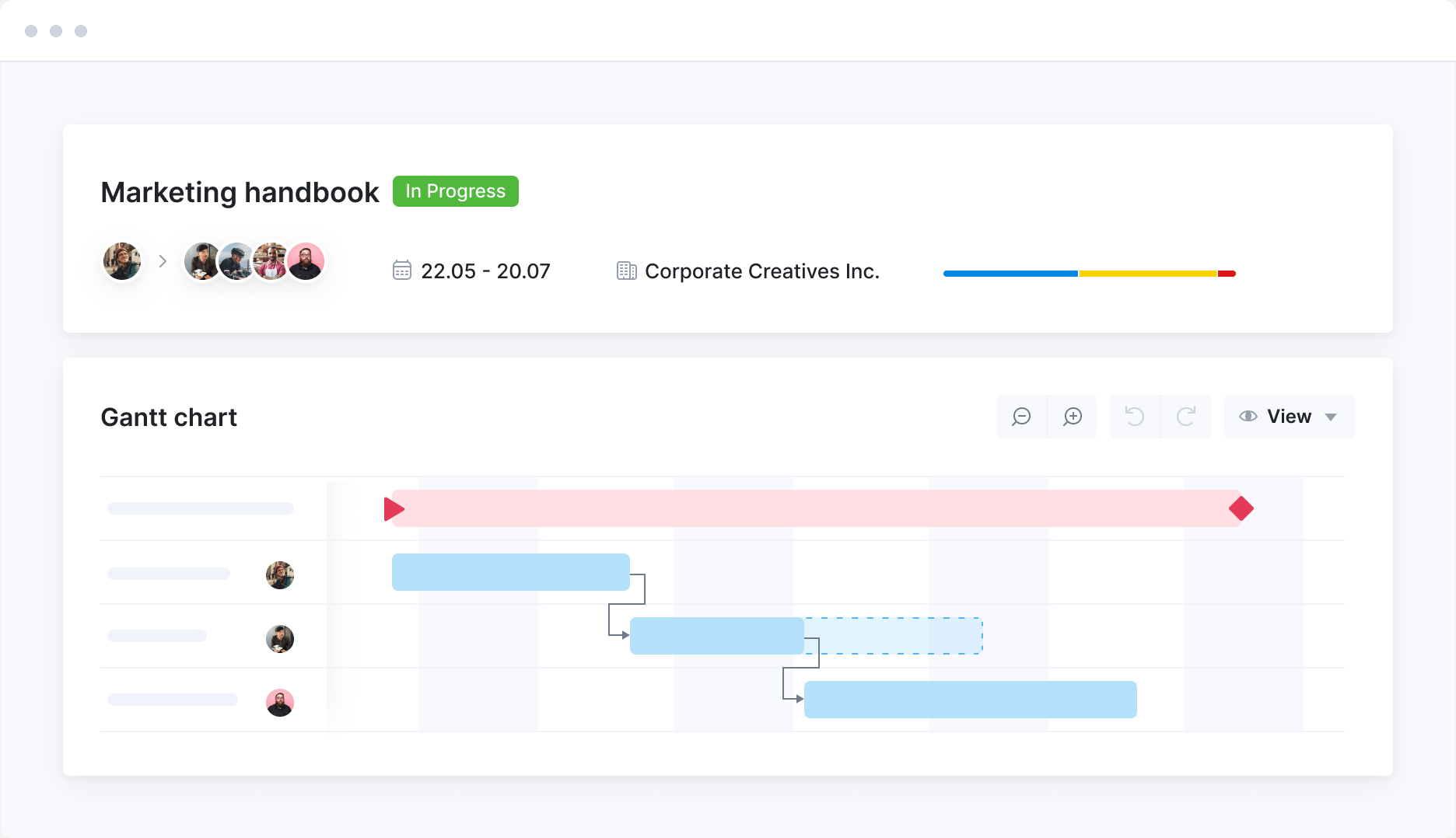
Scoro’s connected architecture changed the dynamic entirely. Because project status feeds directly into invoicing readiness, reporting, and resource planning, teams now understand that keeping data accurate isn’t just good practice – it’s necessary for the rest of the business to function. This has created a culture of data hygiene that Monday.com never could.
In Scoro, the whole thing is built around there being an impact if you don’t get that bit of information done correctly — then the rest of it won’t work. So things have to be up to date. And that means it becomes a source of truth we can rely on more than we ever have.
Resource Management
Before: Unreliable planning and manual workload management
Monday.com’s resourcing functionality wasn’t reliable enough to trust. Teams couldn’t be certain whether what was in the planner reflected reality, and workload scheduling was time-consuming – dependent on manual re-entry and cross-referencing.
After: Faster, more confident scheduling
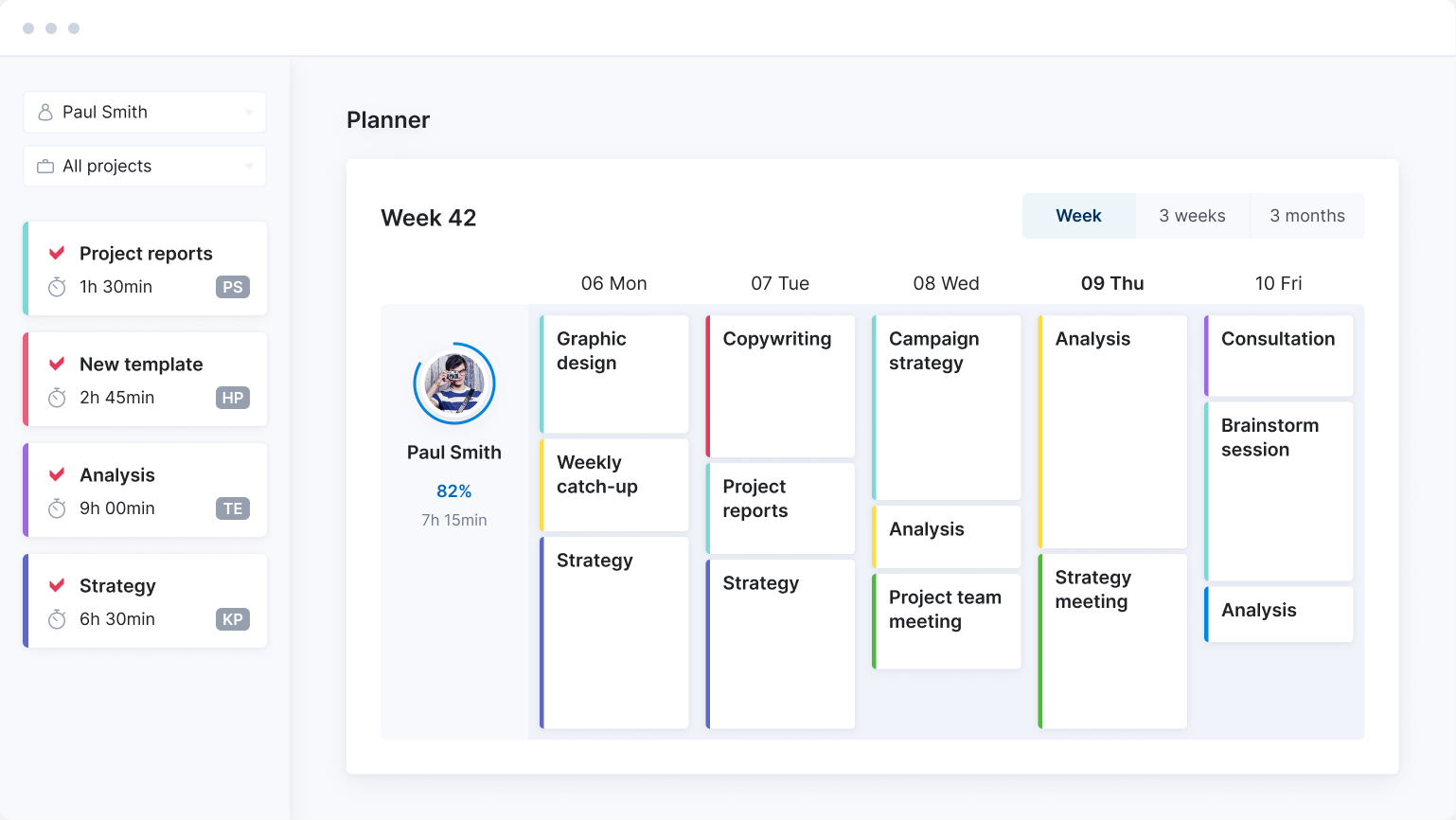
With Scoro’s Planner tied directly to task lists and project data, scheduling is faster and the output is trusted. The team no longer needs to re-input information to allocate work – the data is already there. As a marker of efficiency, the same amount of resource planning time now covers the workload of roughly 50% more people than it did previously.
People can rely on knowing whatever’s in their Planner is accurate. Before, they didn’t know whether it was accurate or not. That’s a huge shift.
Time Tracking
Before: Disconnected data with limited usefulness
Harvest captured time, but because it wasn’t connected to quotes or project lines in a structured way, the data had limited analytical value. Leaders couldn’t easily cross-reference hours against project performance, and time entries weren’t granular enough to understand where effort was really going.
After: Time tracking that feeds the reporting
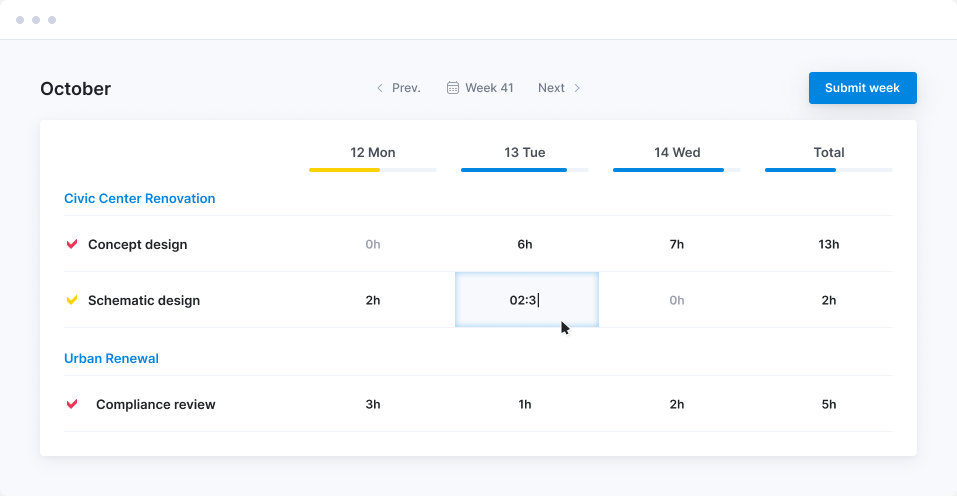
In Scoro, time is logged against specific tasks that sit within projects, which are themselves tied to quotes. This means time data flows naturally into project profitability views, invoicing, and utilization reporting – without any manual reconciliation. The team has standardized on a timesheet view, with Google Calendar meetings linked back to the relevant project.
Because the time tracking is linked to the task and the project, it is far more accurate than it was before. We are definitely tracking time more than we’ve ever done, and we can rely on that data more than we ever have.
Invoicing
Before: Invoicing depended on conversations, not systems
Previously, knowing when a project was ready to invoice wasn’t visible in any system – it was communicated informally, via messages and manual chasing. This created noise, delays, and a reliance on specific individuals to keep the process moving.
After: Status-driven invoicing that reduces back-and-forth
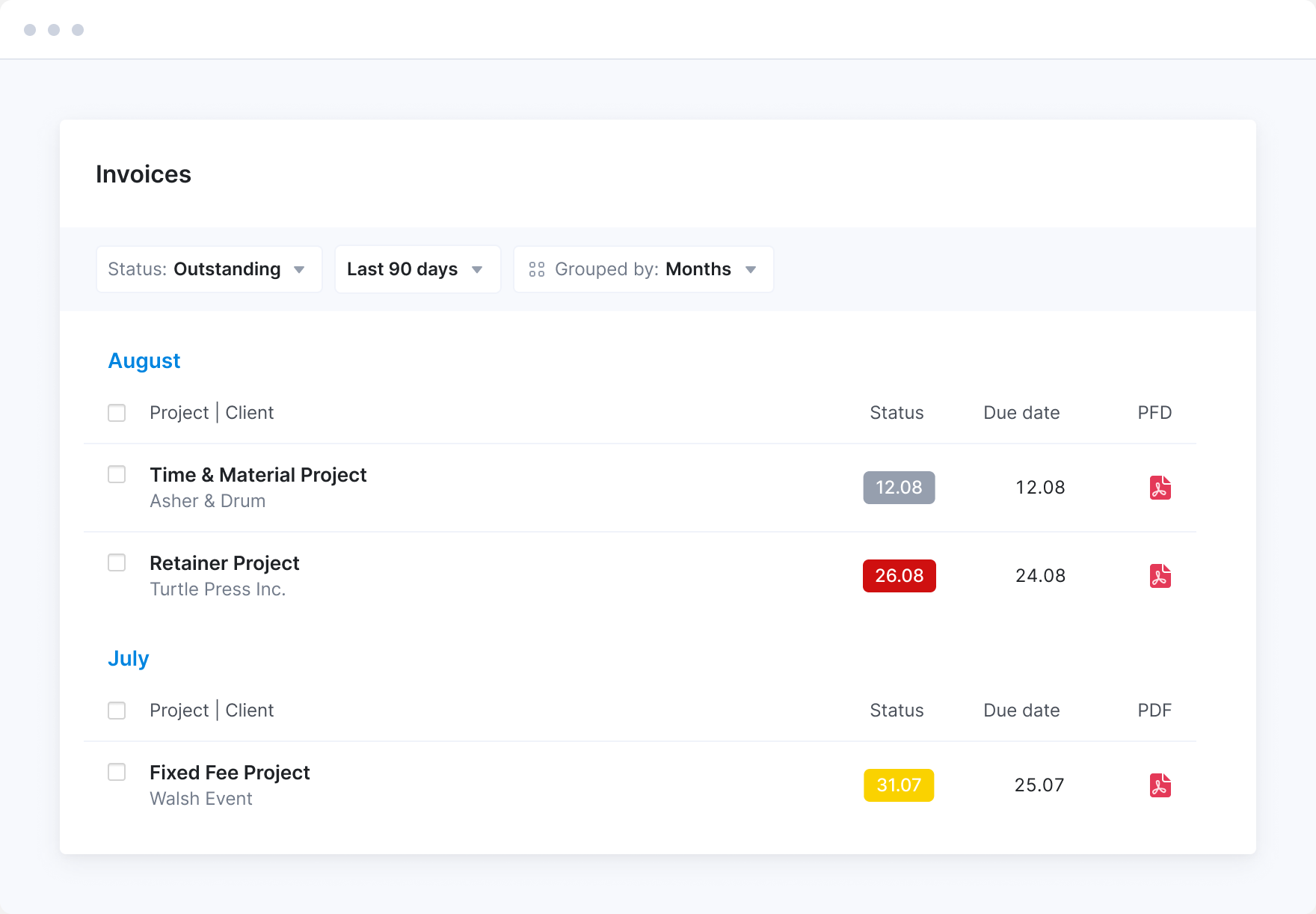
Scoro’s workflow means that project status now signals when something is ready to invoice. Team members can see this themselves and act without needing to ask. The Xero integration means financial teams no longer need to work across two platforms – everything originates in Scoro and syncs across. The invoice report also gives clear visibility into outstanding debts, making debtor management more straightforward.
Before, we had to tell somebody when it was ready to be invoiced. Now, everyone can see when something’s ready themselves. It just reduces the noise — people can do things independently.
Reporting
Before: Legacy spreadsheets and manual collation
For more than 13 years, ITCH tracked incoming sales in a Google Sheet. It was the company’s go-to reference for understanding revenue performance. Across the broader team, reporting meant manually pulling together data from different systems, often producing a picture that was already out of date by the time it was presented.
After: Live dashboards that replaced a 13-year-old spreadsheet
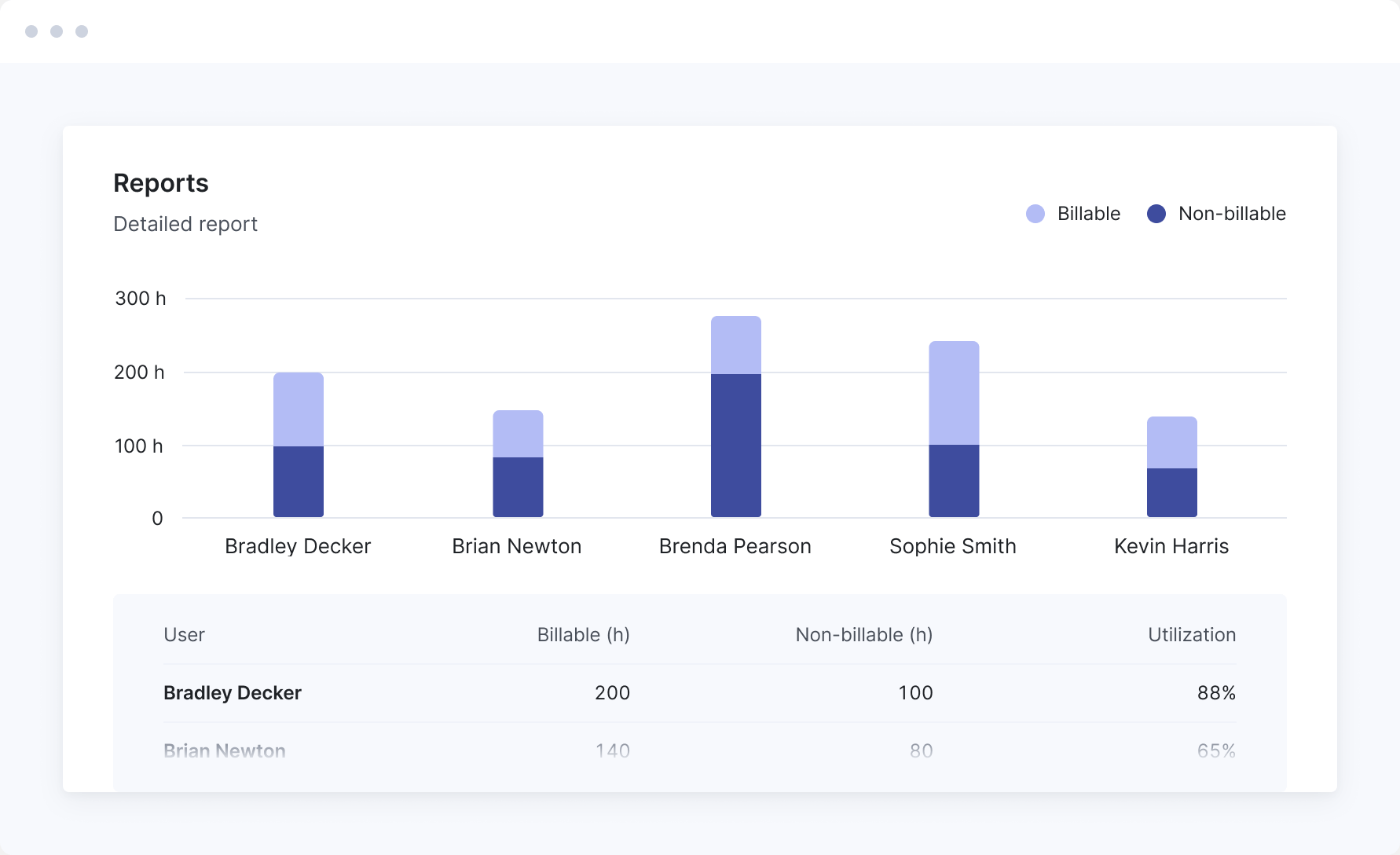
One of the clearest signs of Scoro’s impact at ITCH was the moment the founder stopped using the Google Sheet. A Scoro dashboard, set up to show sales performance across any chosen time period, replaced it entirely – displaying live, automatically updated data drawn from the activity already happening in the platform. Getting leadership to trust a new system over a deeply ingrained legacy habit was the real milestone.
If it’s all retrospective, you can’t impact that thing you’ve done in the moment. So what we’ve tried to do is make sure people mid-job can see how it’s performing and then give them the power to pivot.
Business Outcomes
The clearest outcome for ITCH so far isn’t a single metric – it’s a fundamental shift in how the business relates to its own data. For the first time, teams across the agency are working from a single, trusted source of truth.
Decisions that previously required hours of manual preparation now happen in real time. And team adoption – rather than being driven top-down – has become self-sustaining, with employees actively selling the platform to their colleagues.
With other tools, you roll something out and end up using a fraction of what it can do. With Scoro, we’re confident we’re going to use the entire platform — every module, every part of it. We understand what each piece will give us.