






Career paths aren’t always linear. Some start in one field and discover a completely different passion along the way.
At Scoro, we encourage people to grow, learn new skills, and explore different opportunities across the company. Sander’s journey is a great example of that. He joined Scoro in 2020 as a Financial Operations Specialist and later transitioned into the Engineering team as a Software Engineer.
In this post, he shares what inspired the change, what helped him make the transition, and what he has learned along the way.
1. Can you introduce yourself and tell us about your current role?
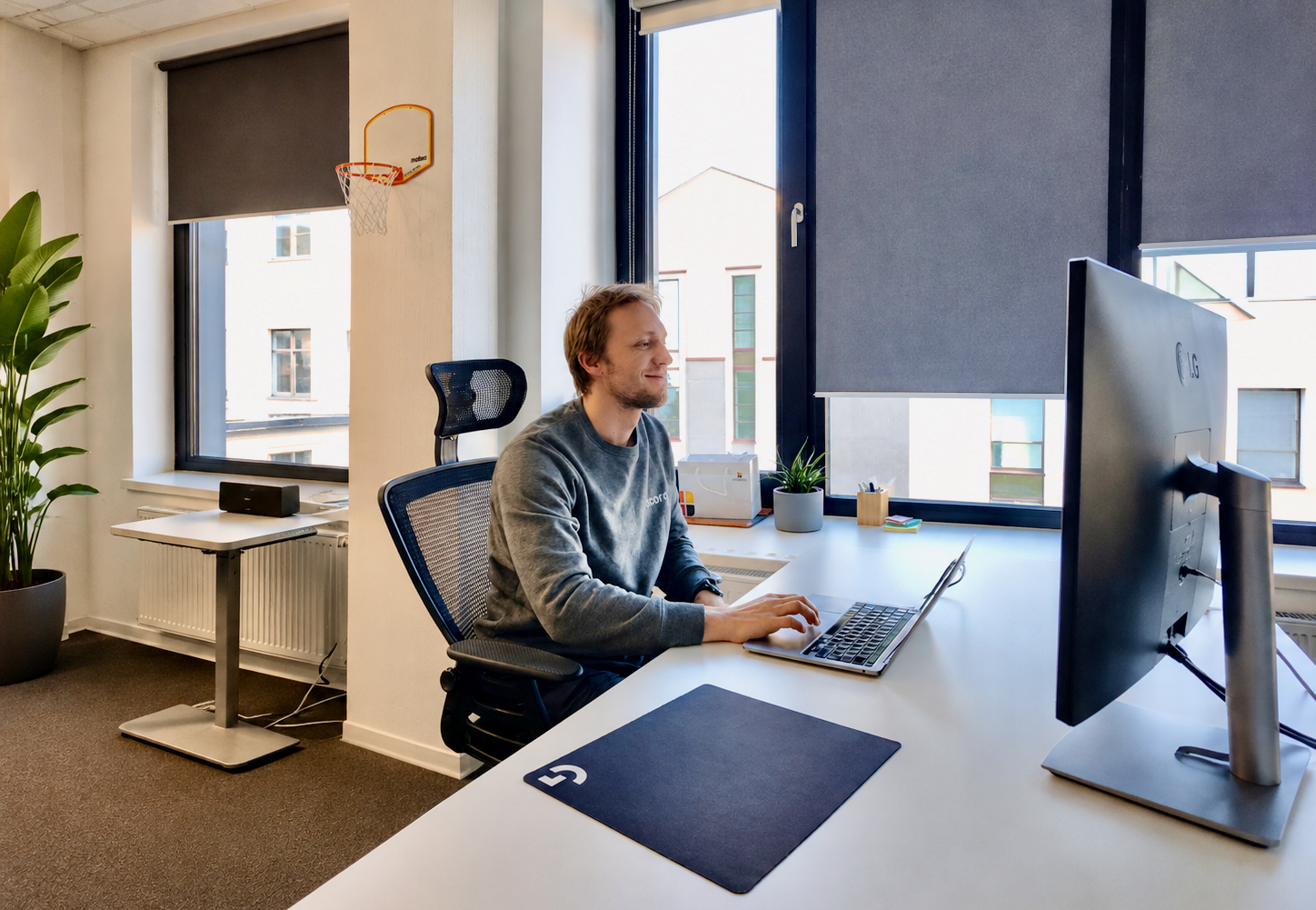
Hi! I’m Sander. I joined Scoro as a Financial Operations Specialist at the end of 2020. After about three years in the Finance team and completing my studies, I transitioned into the Engineering team as a Junior Software Engineer. Today, that’s the role I continue in.
Although I’m based in Tallinn, where Scoro has its biggest office, I usually prefer working remotely from home.
Outside of work, I like to stay active through running and singing. I’ve also always enjoyed building things, which is why a lot of my free time currently goes into two personal projects: converting a camper van from scratch and building a web app.
2. How did you go from working in Finance to becoming a Software Engineer?
I was actually a bit torn between a business analytics-related field and software engineering. The decision to start coding came from a deep desire to build things and solve problems.
Earlier in life, I hadn’t really considered software engineering because I had always leaned more toward economics. I even participated in the Estonian Economics Olympiad and made it into the top 20 twice.
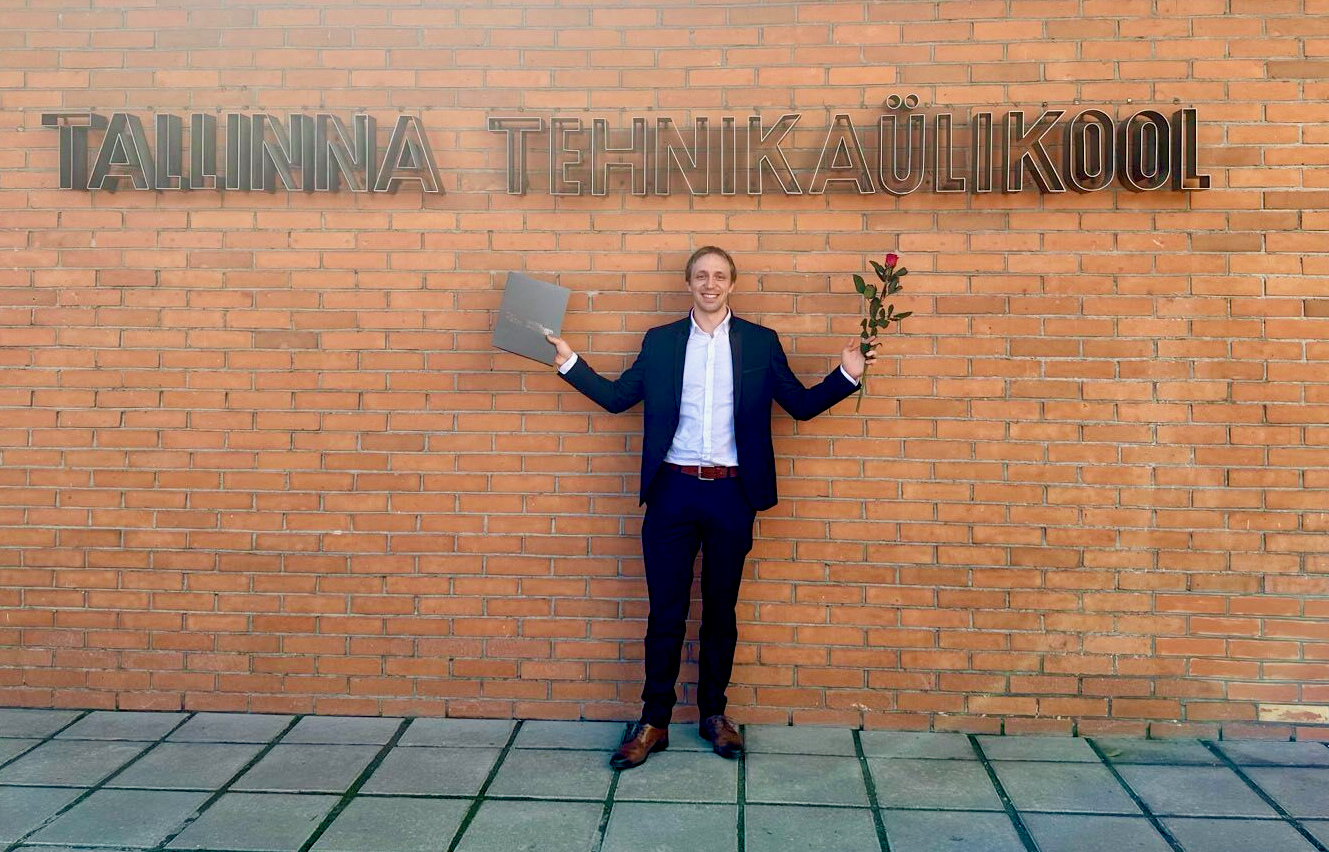
In the end, I decided to follow my instincts and pursue software development. Looking back, it was one of the best decisions I’ve ever made.
3. What helped you the most during this transition, and what was the biggest challenge?
The most supportive person throughout this journey has definitely been my wife. She gave me confidence and support during the whole transition.
Other than that, I’d say the fact that the transition happened gradually over a longer period of time helped a lot. My colleagues from the Finance team were very supportive as I studied and prepared for the move, and when the time finally came, I was warmly welcomed into the Engineering team. Since the transition had been planned well in advance, everyone had time to prepare, which made the whole process much smoother.
The most challenging part was balancing studies and work while also going through major personal life changes, like getting married, having a child, and moving apartments. Everything had to be planned carefully, to make the transition work both personally and professionally.
4. What skills from your Finance background have been useful in your engineering role?
I believe my love for numbers helps me with all kinds of calculations, including financial ones. The logical and structured nature of computers is something that naturally appeals to people who enjoy working with numbers.
I also think that understanding financial systems is somewhat similar to understanding computer systems. Both involve translating human intentions, processes, and language into a structured system with clear rules and logic.
My previous customer-facing role, where I worked with Scoro’s finance and billing side, gave me a useful understanding of how clients use certain parts of the product that may otherwise be less familiar. In addition, working with different ERP systems has helped me build a broader perspective when solving problems.
5. What is your favorite part of the development process?
I’d say there’s a difference between building something new and fixing something old. However, what both have in common is the satisfaction of seeing a finished product working as intended.
One of my favourite parts of the process is identifying the core of an issue and figuring out the best way to solve it. I strongly believe there are no problems that can’t be solved.
What makes development especially interesting to me is that it’s not just about the technical side of building. It’s also about understanding how people use something, what kind of experience they have, and what the real need behind the solution actually is. That deeper dive is what makes the work exciting.
6. How would you describe the team culture in Engineering?
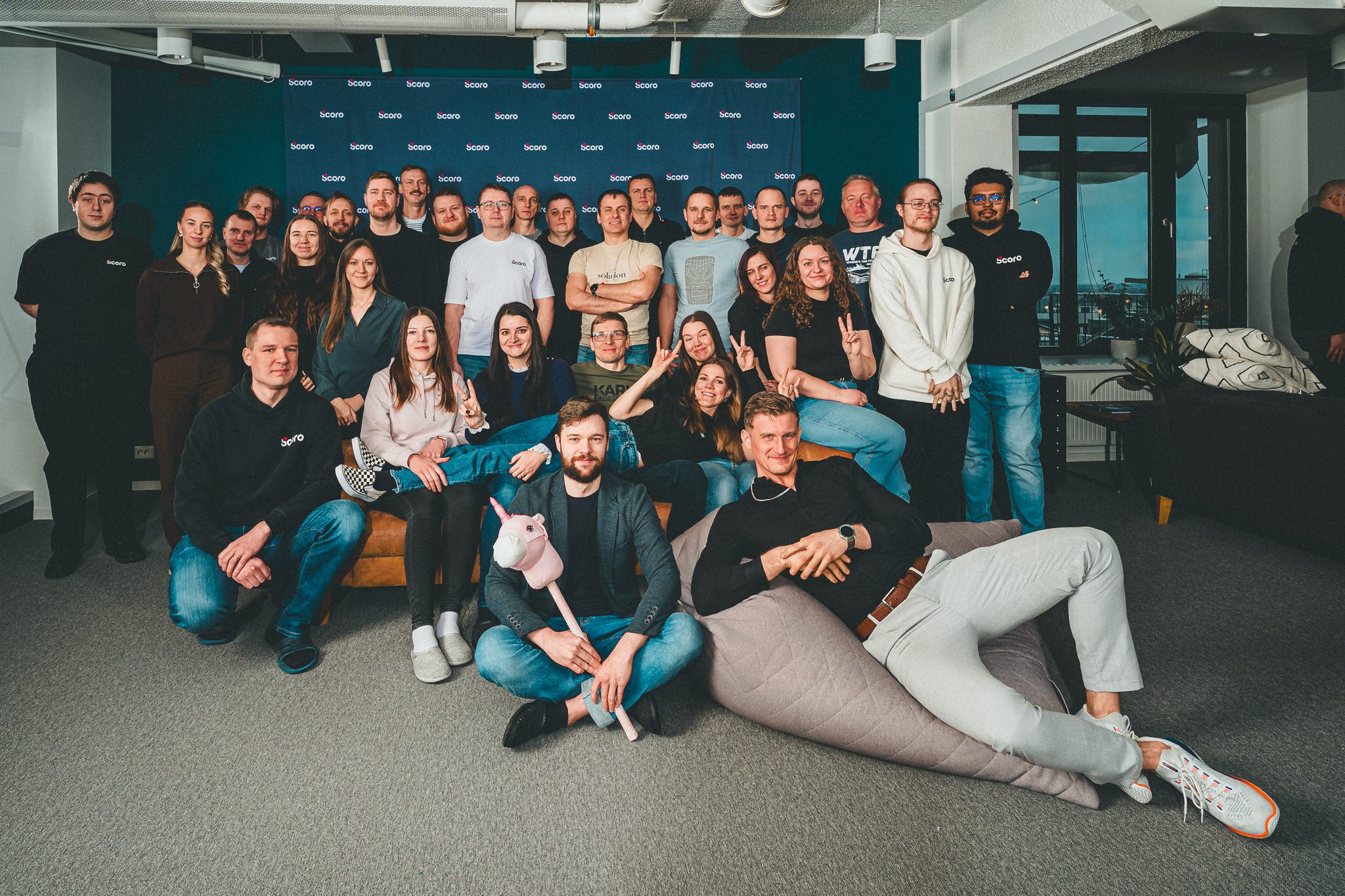
The people are outstanding and generous, and the atmosphere is relaxed, supportive, and collaborative. There’s a genuine understanding between colleagues, with everyone working together to improve both the product and the way we work as a team.
There’s a strong desire to learn, improve, and help others do the same. There’s no competition, just collaboration.
7. For someone in a non-technical role who is thinking about moving into engineering, what would be your advice?
Stay curious and ambitious about learning. That mindset will help you overcome any obstacle.
Anything is possible if you break it down into small, manageable steps.
In today’s world, it’s also much easier to take those first steps into engineering with the help of AI. It can be a powerful bridge between your ideas and the technical skills needed to bring them to life.
8. You’ve been at Scoro for more than five years. What have been some of the most memorable moments along the way?
There have been so many great moments, from personal milestones to the inevitable ups and downs of a five-year journey. I especially cherish the “Operations Ace” award I received during my time in the Finance team. That recognition gave me the confidence I needed to navigate the uncertainty of switching roles.
Another highlight has been the Hackathons. Participating twice, once as a non-engineer and once as an engineer, gave me a unique perspective on how we solve problems and collaborate across teams.
Finally, I’ll never forget my first mission as an engineering intern. Making those first merge requests felt like the official start of my transformation and turned all the hard work into reality.
If you want to be part of our journey, check out our Open Roles and send your application today. If you cannot find a suitable position, save your interest on our Connect page, and we will contact you when a job that matches your profile opens.